
HAPPY NEW YEAR TO ALL OFF YOU MAY THIS NEW YEAR BRING JOY AND IN EVERY ONE,S LIFE ONCE AGAIN A HAPPY TO EVERYONE.

HAPPY NEW YEAR TO ALL OFF YOU MAY THIS NEW YEAR BRING JOY AND IN EVERY ONE,S LIFE ONCE AGAIN A HAPPY TO EVERYONE.
As you age, you realize that wrinkles can make you look much older than you really are. But there are other culprits that can add years to your appearance. One of these is getting dark spots on your skin.
Fortunately, there are home remedies, topical products, and cosmetic procedures that could effectively fade or permanently remove dark spots. Below, I am sharing with you the most common treatments.
1. Apply Lemon Juice
Lemon juice’s acidity acts like a bleaching agent and helps reduce discoloration on your face.1Use a cotton ball or Q-tip to apply the juice onto your liver spots twice a day. It is a good idea to test this first on a small area of your face to see how your skin will react to the lemon juice. If you have sensitive skin, I recommend diluting the juice with a bit of water.
. Use Aloe Vera Gel
The gel of the aloe vera plant is chock-full of antioxidants like vitamins A, C, and, E, which help to reduce brown spots and even out skin tone.2 Vitamin A speeds up your skin’s natural shedding process, vitamin C brightens your complexion, and vitamin E renews the epidermis. Aloe works especially well if you have dark spots caused by sun exposure because the plant has been used for thousands of years to relieve sunburns.
You can buy 100% aloe vera gel at a health food store, but using gel directly from the plant is preferable. To do this, cut off a piece of an aloe vera leaf and split it in half. Carve out the jelly-like flesh and apply this directly onto your skin.
3. Yogurt or Buttermilk
These diary products contain high amounts of lactic acid, which lightens and exfoliates the skin. You can apply yogurt or buttermilk directly onto your skin like a mask and leave it on for 20 minutes before washing it off.
. Apple Cider Vinegar
Rich in antioxidants and minerals, apple cider vinegar is a popular home product used for treating all sorts of ailments. Those with scarring and pigmentation swear by this simple remedy because the alpha hydroxy acid gets rid of dead skin cell.4
Mix equal parts apple cider vinegar and water. You can apply this over your entire face because it is pH balanced, so it acts as a toner. However, if you detest the smell, let the solution sit for 20 minutes before rinsing.
1. Hydroquinone
There are a lot of topical treatments on the market that promise to get rid of dark spots. Choose one that contains hydroquinone, a bleaching agent that helps remove age spots and is safe to use on the skin. You can also use one that contains kojic acid, which has bleaching properties as well.
2. Retinoid
This is a potent manmade form of vitamin A, and it works by encouraging rapid cell-turnover. When old skin cells die, they make way for new skin growth. The idea is to shed the layer of skin with the dark spots so that new, unblemished skin can grow in its place. Retinoid also curbs the production of melanin (the pigment your skin produces that creates dark spots).
If you purchase over-the-counter treatments, the ingredient you will find is called “retinol,” which is a vitamin A that naturally occurs in the skin. This form of vitamin A is not as potent as retinoid.5
Retinoids are prescription-only and fall under these three names:
These products are 100 times more potent than the retinol found over the counter.6
. Salicylic Acid
You may have heard of salicylic acid being used to treat acne, but it can also be used to lighten dark spots. Salicylic acid works by causing the outermost layer of the skin to soften and then peel. This helps remove dead skin cells and allows new cells to surface.
4. Glycolic Acid
This is a an AHA (alpha hydroxy acid) derived from sugar and works as a natural exfoliator, sloughing off dead skin to promote the growth of new skin cells. Dermatologists suggest using a product with at least 10% glycolic acid in order to see results.7
. Medical Treatments
If you have the money and you want fast results, you can opt for medical treatments. Common treatments for dark spots include chemical peels, microdermabrasion, and laser therapy. Chemical peel and microdermabrasion promote skin regeneration by removing the top layer of the skin. Laser therapy involves the use of different types of lasers that reduce accumulated melanin on a certain area. It is best to consult your doctor and ask about which treatment is best for your skin type.
Sun damage is the primary cause of dark spots, so be sure to protect yourself from harmful UVA and UVB rays.
1. Sun Damage (Solar Lentigos)
The leading cause of dark spots, liver spots, and/or freckles is sun damage. Overexposure to UVA/UVB rays, either directly from the sun or through the use of tanning beds, breaks down collagen and causes your skin to produce excess melanin, which leads to discoloration or hyperpigmentation. The damage may not be evident right away, especially if you are young, but you will see the effects of sun damage more prominently when you hit your 40s.
2. Melasma
Women are more likely to suffer from this condition. It is characterized by brown to gray-brown patches that appear on the skin. It is usually caused by sun damage but can also appear during pregnancy.
3. Post-Inflammatory Hyperpigmentation (Acne Scarring)
Acne sufferers often develop dark spots or hyperpigmentation caused by injury of the skin through picking or popping pimples.

Timing can be everything in the bedroom.
If you’re climaxing sooner than you and your partner would like, sex may not be satisfying for either of you.
It’s a problem called premature ejaculation (PE). It can be frustrating and even embarrassing. It can hurt your relationship too.
You don’t have to live with it. There are things you can do to last longer in .
There is no set time when a man should ejaculate during sex. But it’s probably too soon if you have an orgasm before intercourse or less than a minute after you start.
It’s a problem because when you ejaculate you lose your erection and can’t continue having sex. You and your partner may feel there’s not enough time to enjoy it.
It’s a common issue for men. Between 30%-40% have it at some time in their life. So, keep in mind — it’s not something to worry about if it happens only occasionally.
It’s not really known. But your brain chemistry could be at least partly to blame. Men who have low levels of the chemical serotonin in their brains tend to take a shorter time to ejaculate.
Emotional factors can play a role:
Make an appointment if PE is bothering you or your partner. The doctor probably will ask if you’ve always had the problem or if it’s a new thing. He may ask about your sex life or your relationships. You’ll probably get a physical exam, too.
Ninety-five percent of men are helped by behavioral techniques that help control ejaculation.
Stop and start: You or your partner stimulate your penis until your feel like you’re going to have an orgasm. Stop the arousal for about 30 seconds or until the feeling passes. Start the stimulation again and repeat three or four more times before you actually ejaculate.
The Squeeze: It works the same way as the start and stop method. But, when you feel like you’re reaching orgasm, you or your partner squeezes the head of your penis until you lose the erection. Repeat this a few times before ejaculating.
Some men find that if they think of something else during sex they can last longer.
There aren’t any medications specifically approved to treat it. But sometimes, doctors find that medications used to treat other things can help. This is called an off-label use.
These include:
Antidepressants: A side effect of some selective serotonin reuptake inhibitors (SSRIs) is delayed orgasm. But these medications also have side effects that include nausea and drowsiness. They also can throw a wet blanket on your desire to have sex. So, it’s possible you’re trading one problem for another. You and your doctor will decide what’s right for you
Anesthetic creams or sprays: You put these on the head of your penis to make it less sensitive. Leave it on for about 30 minutes. It must be washed off before sex so you don’t lose your erection or cause loss of sensation for your partner.
Strengthen your muscles: Weak pelvic floor muscles sometimes contribute to PE. Kegel exercises may help strengthen them. Find the right muscles to tighten by stopping your urine in midstream. Hold them tight for 3 seconds and then release them for 3 seconds. Do this 10 times, at least 3 times a day.
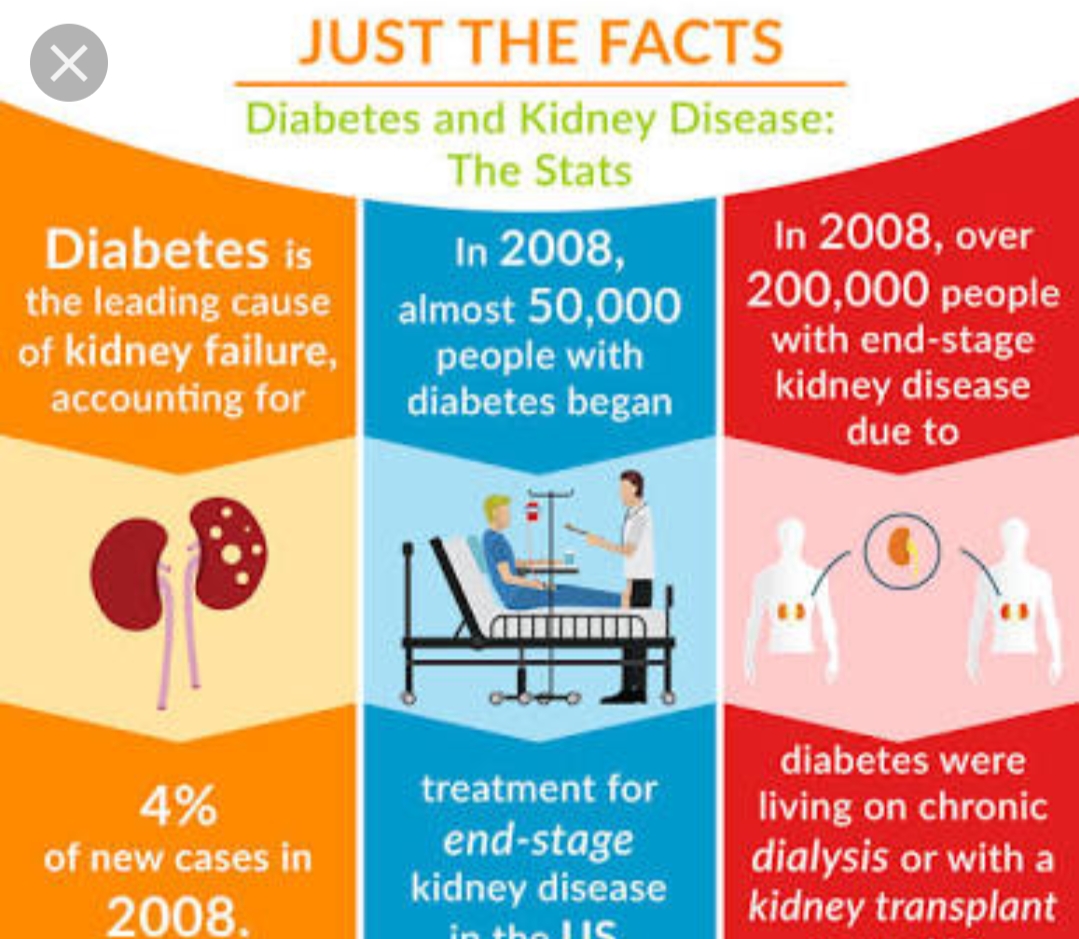
The main job of kidneys is to help keep your body chemistry in balance all the time. To do this, kidneys:
Make Urine. Your kidneys make urine to get rid of wastes and extra water. Wastes come from some foods, breaking down medicines, and even just moving your muscles.
Balance Minerals. Your muscles, blood vessels, nerves, and bones need precise amounts of minerals in your blood all the time. Kidneys sense the levels of minerals in your blood. They hold onto what you need and send the rest to your bladder, as urine.
Control Your Blood Pressure. Kidneys keep water and salt(s) in balance in your blood. And, they make an enzyme (renin) that helps your blood vessels tense up to raise your blood pressure if it drops too low. High blood pressure can harm kidneys and cause CKD. Or, CKD can cause high blood pressure. Like the chicken and the egg, it can be hard to tell which came first.
Help You Make Red Blood Cells. Each cell in your body needs oxygen to live, and red blood cells bring it. If you have too few red blood cells (anemia), your kidneys send out a hormone (erythropoietin, or EPO). EPO tells your bone marrow to make more red blood cells. Kidneys that don’t work well make less EPO.
Keep Your Bones Strong. You need the right level of calcium in your blood all the time to live. Your bones are a “storage bank” for calcium and phosphorus. When you need more blood calcium, the kidneys send out a hormone. Active vitamin D is a hormone that lets your gut absorb calcium from foods. If the hormone signal does not work, your body will pull calcium out of your bones, which can make them weak and more likely to break.
Help Keep Acid and Base Balance in Your Body. The pH in your body is close to neutral, but may be a little alkaline, or base (7.38 to 7.42). A pH that is too high or too low can be fatal. Kidneys work with your lungs to keep the right pH level.
Most CKD in the U.S. has one of two causes: type 2 diabetes or high blood pressure—or both at the same time. These two health problems cause 70% of all kidney failure in the United States. They also cause heart disease and strokes. So, keeping your blood sugar and blood pressure in check can help your whole body.
The health problems below may also cause CKD:

Healthy kidneys make a hormone called erythropoietin (a-rith’- ro-po’- uh-tin), or EPO, that tells your body to make oxygen-carrying red blood cells. As the kidneys fail, they make less EPO. With fewer red blood cells to carry oxygen, your muscles and brain tire very quickly. This is anemia, and it can be treated.
I was constantly exhausted and didn’t have any pep or anything.
I would sleep a lot. I’d come home from work and get right in that bed.
Anemia can make you feel cold all the time, even in a warm room.
I notice sometimes I get really cold, I get chills.
Sometimes I get really, really cold. It could be hot, and I’d be cold.
Being short of breath can be related to the kidneys in two ways. First, extra fluid in the body can build up in the lungs. And second, anemia (a shortage of oxygen-carrying red blood cells) can leave your body oxygen-starved and short of breath.
At the times when I get the shortness of breath, it’s alarming to me. It just fears me. I think maybe I might fall or something so I usually go sit down for awhile.
I couldn’t sleep at night. I couldn’t catch my breath, like I was drowning or something. And, the bloating, can’t breathe, can’t walk anywhere. It was bad.
Anemia related to kidney failure means that your brain is not getting enough oxygen. This can lead to feeling faint, dizzy, or weak.
I was always tired and dizzy.
It got to the point, like, I used to be at work, and all of the sudden I’d start getting dizzy. So I was thinking maybe it was my blood pressure or else diabetes was going bad. That’s what was on my mind.
Anemia related to kidney failure means that your brain is not getting enough oxygen. This can lead to memory problems or trouble with concentration.
I know I mentioned to my wife that my memory—I couldn’t remember what I did last week, or maybe what I had 2 days ago. I couldn’t really concentrate, because I like to work crossword puzzles and read a lot.
I would get up to do something and by the time I got there I couldn’t remember what I was going to do.
Kidneys remove wastes from the bloodstream. When the kidneys fail, the build-up of wastes in your blood can cause severe itching.
It’s not really a skin itch or anything, it’s just right down to the bone. I had to get a brush and dig. My back was just bloody from scratching it so much.
My skin had broke out, I was itching and scratching a lot.
Failing kidneys don’t remove extra fluid, which builds up in your body causing swelling in the legs, ankles, feet, and/or hands.
I remember a lot of swelling in my ankles. My ankles were so big I couldn’t get my shoes on.
Going to work one morning, my left ankle was swollen, real swollen, and I was very exhausted just walking to the bus stop. And I knew then that I had to see a doctor.
Failing kidneys don’t remove extra fluid, which builds up in your body causing swelling in the face.
My sister, her hair started to fall out, she was losing weight, but her face was really puffy, you know, and everything like that, before she found out what was going on with her.
My checks were always puffy and tight. Sometimes they would even hurt.
A build-up of wastes in the blood (called uremia) can make food taste different and cause bad breath. You may also notice that you stop liking to eat meat, or that you are losing weight because you just don’t feel like eating.
Foul taste in your mouth. Almost like you’re drinking iron.
I don’t have the appetite I had before I started dialysis, I must have lost about 10 pounds.
A build-up of wastes in the blood (called uremia) can cause bad breath.
My husband always tells me I have fish breath.
Sometimes my breath smells like urine and I need to brush my teeth more often.
A severe build-up of wastes in the blood (uremia) can also cause nausea and vomiting. Loss of appetite can lead to weight loss.
I had a lot of itching, and I was nauseated, throwing up all the time. I couldn’t keep anything down in my stomach.
When I got the nausea, I couldn’t eat and I had a hard time taking my blood pressure pills.
Kidneys make urine, so when the kidneys are failing, the urine may change. How?
My urine is what I had started noticing. Then I was frequently going to the bathroom, and when I got there, nothing’s happening. You think, ‘Hey, I’ve got to go to the john,’ and you get there, 2 or 3 drops.
I would get up two or three times at night and had lots of pressure each time.
Kidneys make urine, so when the kidneys are failing, the urine may change. How?
The bowl would be filled with bubbles.
Sometimes I would notice my urine being very foamy, so I made an appointment with the doctor.
Kidneys make urine, so when the kidneys are failing, the urine may change. How?
I was passing blood in my urine. It was so dark it looked like grape Kool-Aid. And when I went to the hospital they thought I was lying about what color it was.
I thought I had a urinary infection when I first saw blood in my urine.
Kidneys make urine, so when the kidneys are failing, the urine may change. How?
When you go to use the restroom, you couldn’t get it all out. And it would still feel just like tightness down there, there was so much pressure.
The pressure was so great, yet it would come out so slow. Like 2-3 minutes slow. I thougth what is going on here

I know this it is hard but if you strictly want to loose your weight you have to cut off carbohydrates from your diet and instead of carbohydrates you can consume green leafy vegetables salads & fruits such as 🥝 kiwi, avacados, and dry fruits in shortly and simple language if you stop taking sugar you then you can control your carbs.

Water floushes out all the chemical and poisonous toxins form our body and help the body to loose weight and make our skin glow Soo drink at least ten litres of water per day

Exercises makes our body fit and healthy and makes our blood circulation good so work out on daily basis for weight loss one off the best exercise is inclined push ups, squats, sit-ups and crunches.

If you are busy than at least you should take out a ten minutes walk time for you its very beneficial for our health and helps in weight Soo try make a habbit off walking or running or cycling these are very simple methods which you can follow and loose your wait in 2 weeks

Thanks for joining me!
Good company in a journey makes the way seem shorter. — Izaak Walton


